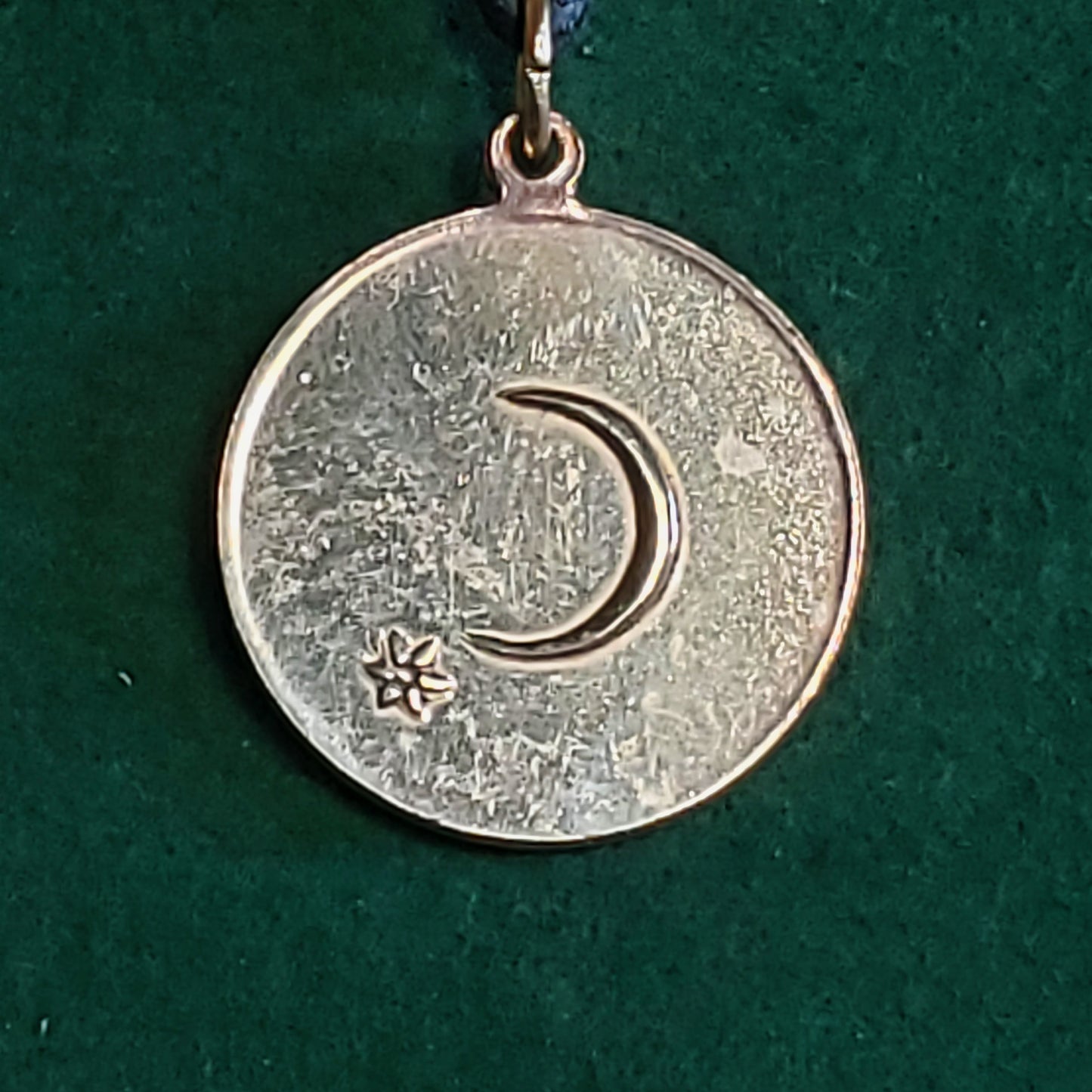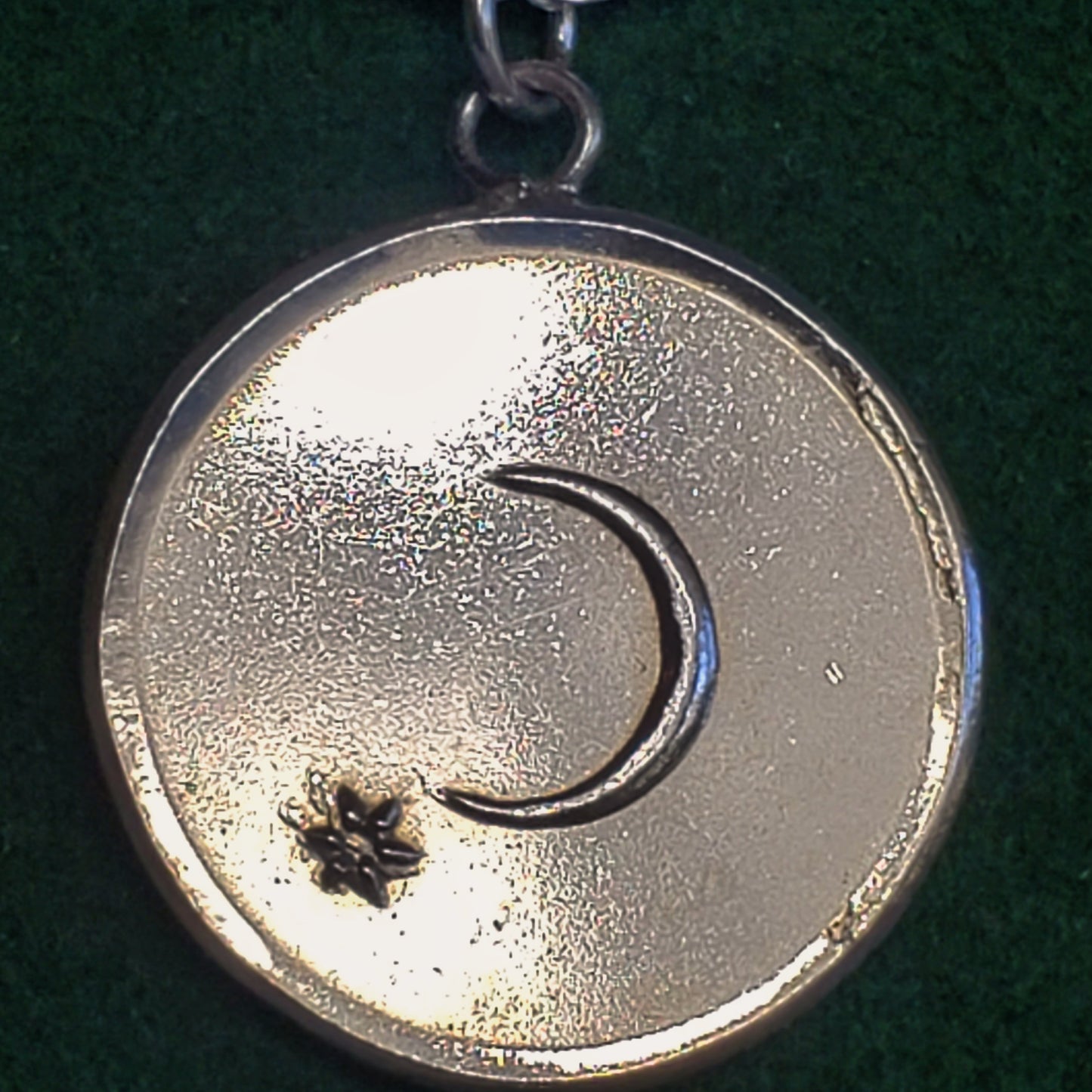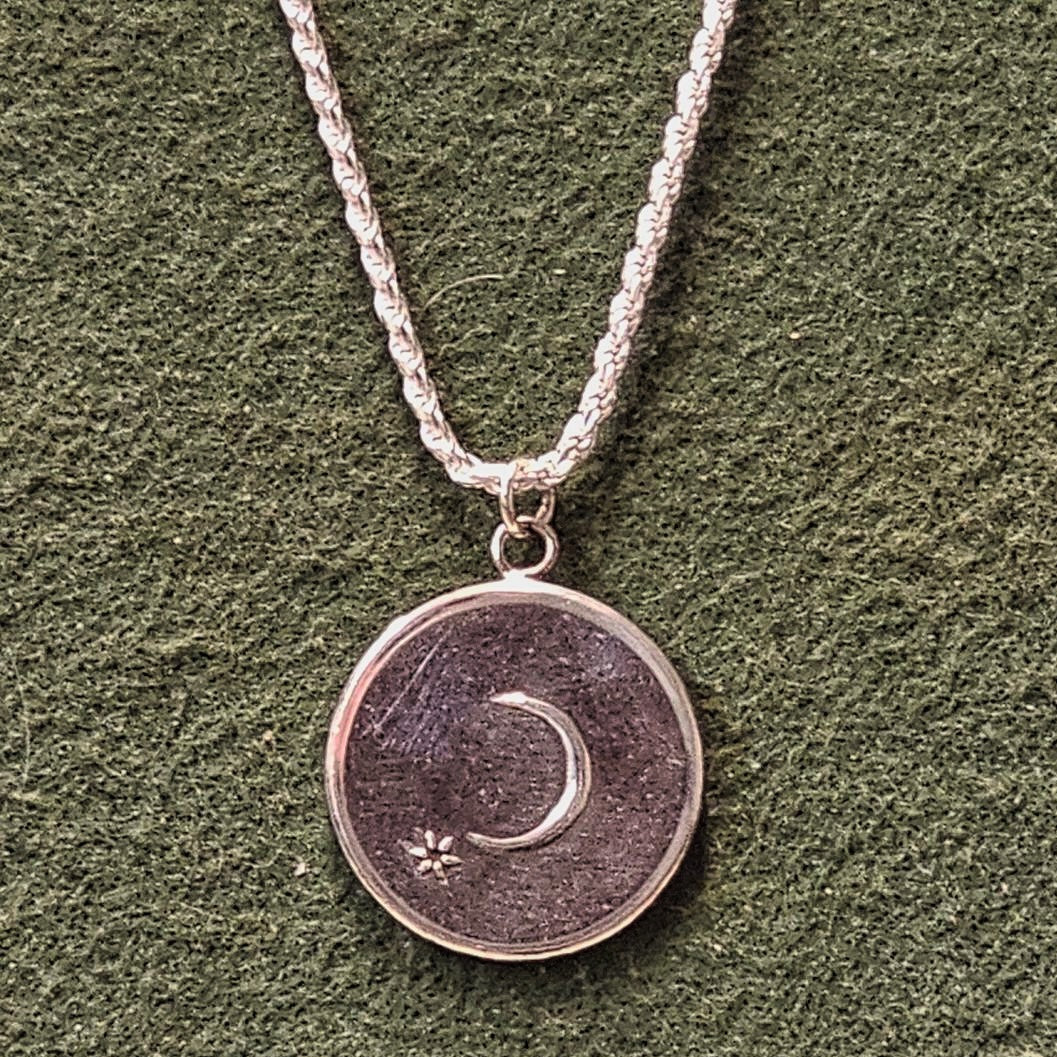
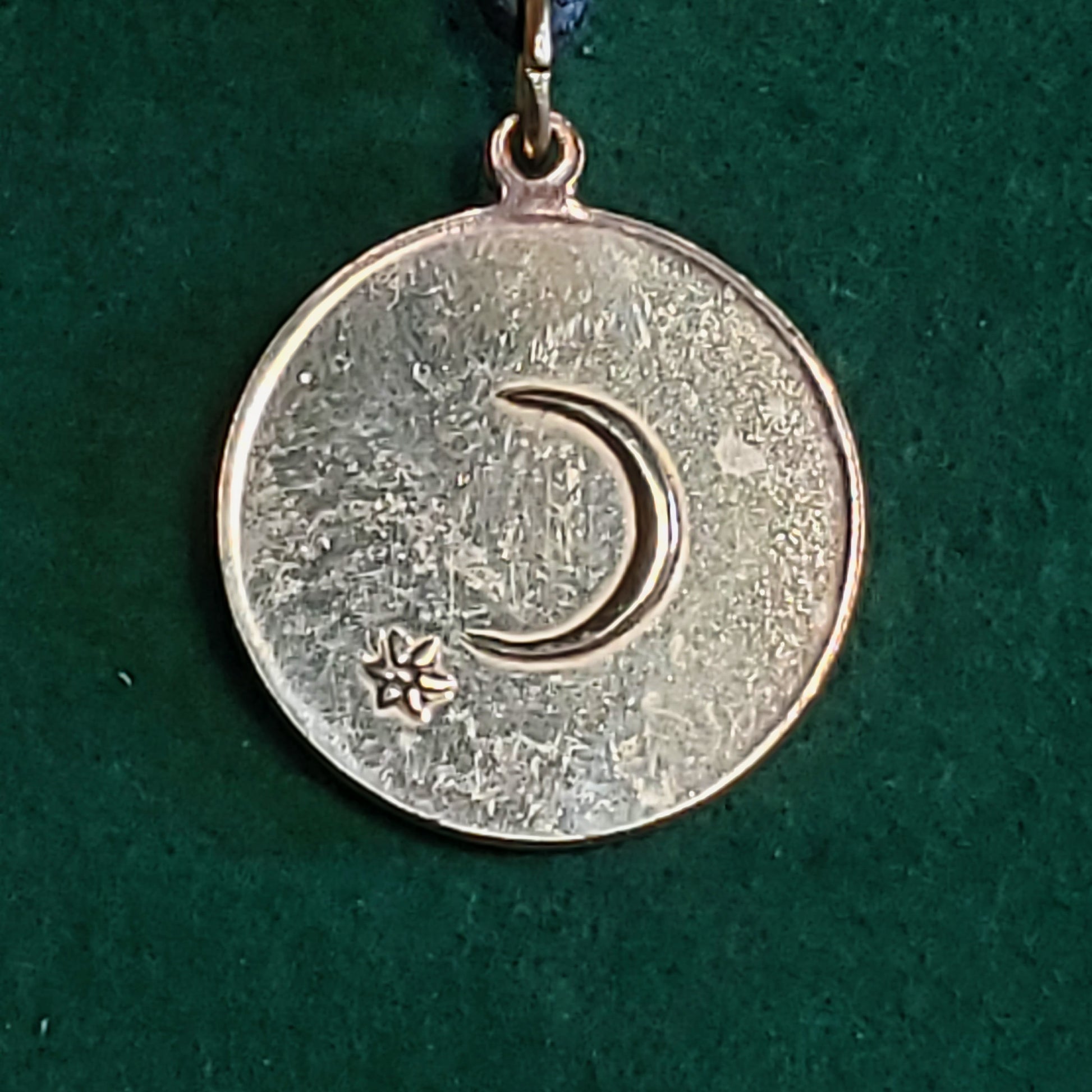
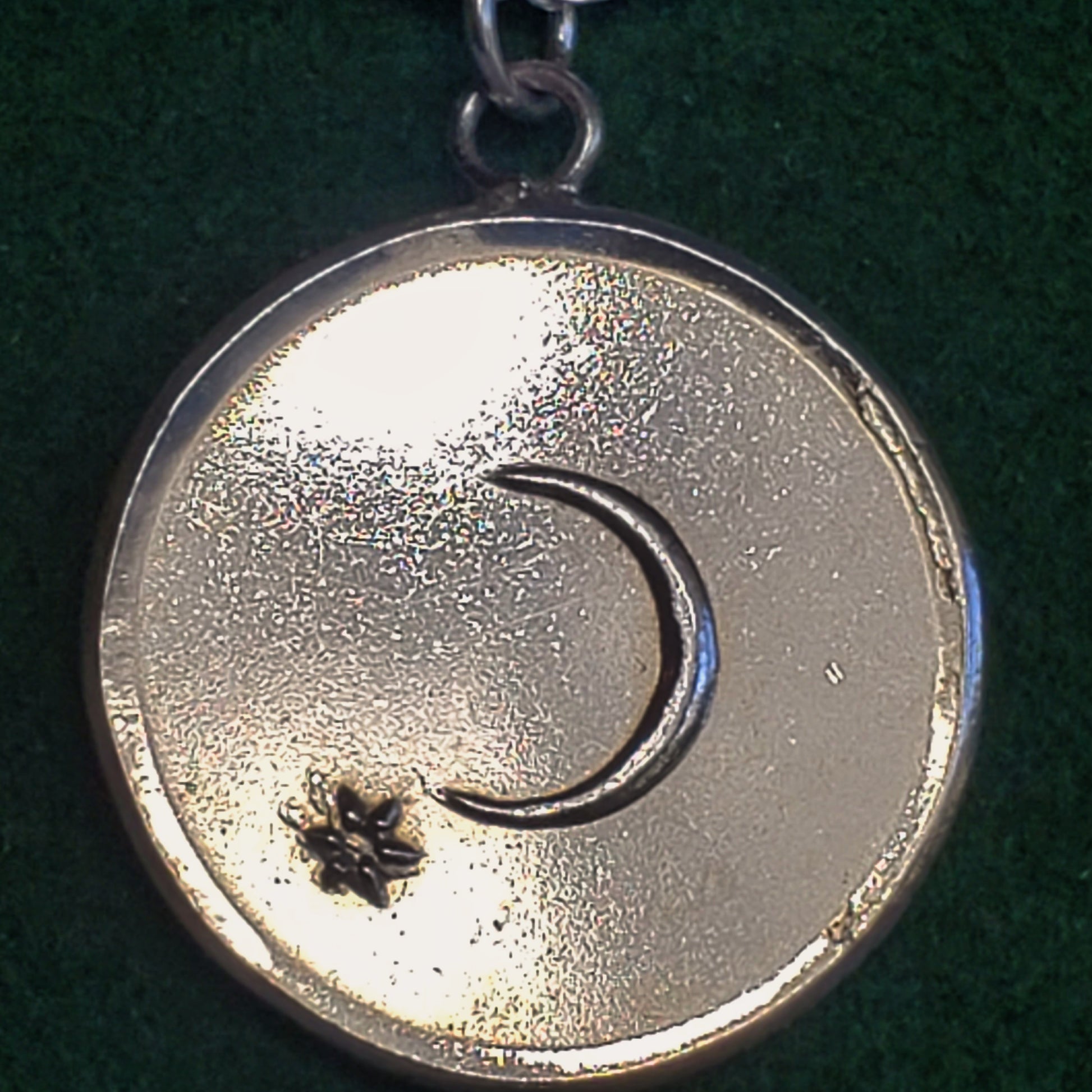
Moon
Moon
Moon - Sister to Mother Earth, Queen of the night. Ruler of emotional waters and cycles of growth. Diana - Greek
Watery Luna, the Moon, whose corresponding metal is silver (or salt), is dark and cold (water and spirit are often identical; water also holds death-rebirth symbolism).
Luna and Sol often appear as White Queen and Red King; the symbol of this relationship is a rose. This relates to their symbolism as the anima, the female principle within a male personality, and the animus, the male principle within a female personality, respectively. Jung called this aspect a "medium between the ego and the unconscious. This is reminiscent of Rubedo, in which Luna becomes a man, whereas Sol becomes a woman. According to Jung, both aspects are crucial to their corresponding Self, and their realization is achieved through relationships with people of the opposite sex. The alchemical concepts of Sol and Luna seem to be the unconscious projections of the animus and the anima
Luna is often called Anima Mundi, the World Soul which surrounds cosmos, half-human half-animal Melusina, or even Lilith. As Melusina, she is similar to Virgo, who is often associated with the Mercurial Serpent. As the Moon, Melusina is also compared to Venus or Aphrodite, not unlike Mercurius. Similarly, Melusina as Lilith, is the first wife of Adam in Paradise, whereas Mercurius is often associated with Adam before the Fall. It is only natural to represent Mercurius as the anima, which alchemists often did.
Couldn't load pickup availability
All of our medallions are 1" in diameter.
We also press 24K Gold (provided by the customer). Contact Us for recommended sources of gold and physical specifications of gold blanks.
We do patina and polish all medallions that we ship out. Please see product photos and our Instagram or Facebook for examples of the look. We understand that additional services are provided at the Fairs and Festivals, but we cannot facilitate those services.
Want to know more about the meaning of each symbol? Please check out the Symbol Gallery! Or do you want more information about ordering at a fair or festival? Please see our Design Brochure.