Anchors hold historic and cultural significance that spans centuries and civilizations. Originally developed as a practical tool to stabilize ships, anchors quickly became symbols of safety, hope, and steadfastness. In ancient times, early mariners used large stones or weighted devices to secure their vessels. As seafaring grew more advanced, anchors evolved into the iron and steel designs we recognize today. Their role was not only practical but also psychological, offering sailors reassurance against the unpredictability of the sea.
Culturally, anchors have long represented stability and security. In Christian tradition, the anchor became a symbol of faith and hope, often used by early believers to express spiritual resilience during persecution. In maritime communities, it symbolized homecoming and safe passage, serving as a reminder of loved ones waiting ashore. Anchors also became central to naval identity, appearing in crests, uniforms, and tattoos as emblems of loyalty and endurance.
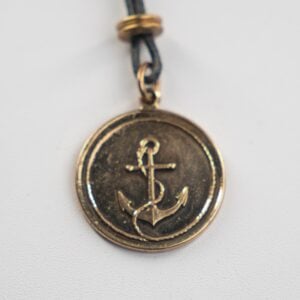
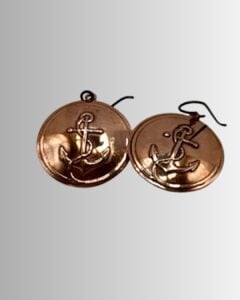
Today, the anchor remains a powerful cultural icon, extending beyond its seafaring origins. It is widely used in jewelry, art, and literature to express steadfast love, reliability, and groundedness. Whether as a literal tool for sailors or a metaphorical emblem, the anchor continues to embody humanity’s enduring search for safety, faith, and connection.