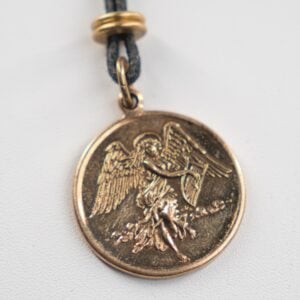
In ancient Greek mythology, the Nine Muses were revered as divine figures who inspired creativity, knowledge, and the arts. Daughters of Zeus, king of the gods, and Mnemosyne, goddess of memory, the Muses represented the bridge between divine inspiration and human expression. Each Muse presided over a specific domain: Calliope (epic poetry), Clio (history), Erato (love poetry), Euterpe (music), Melpomene (tragedy), Polyhymnia (sacred hymns), Terpsichore (dance), Thalia (comedy), and Urania (astronomy). Together, they embodied the breadth of intellectual and artistic pursuits in the classical world.
Historically, the Muses played a vital role in shaping cultural ideals. Poets, musicians, and philosophers often invoked them at the beginning of their works, seeking divine guidance to ensure truth and inspiration. This tradition underscored the belief that art and knowledge were sacred gifts, not merely human endeavors. Temples, such as the famed Mouseion at Alexandria (from which the word “museum” derives), were dedicated to their honor, emphasizing their role as patrons of learning and creativity.
Culturally, the Muses symbolize humanity’s enduring drive to understand, create, and express. Their legacy persists in modern language and institutions, reminding us that inspiration is timeless and that creativity remains central to human progress and identity.