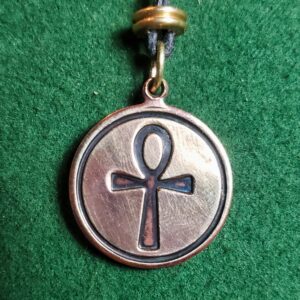
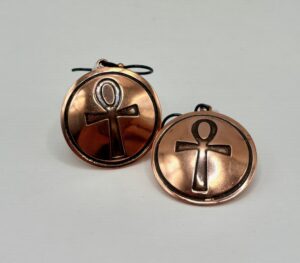
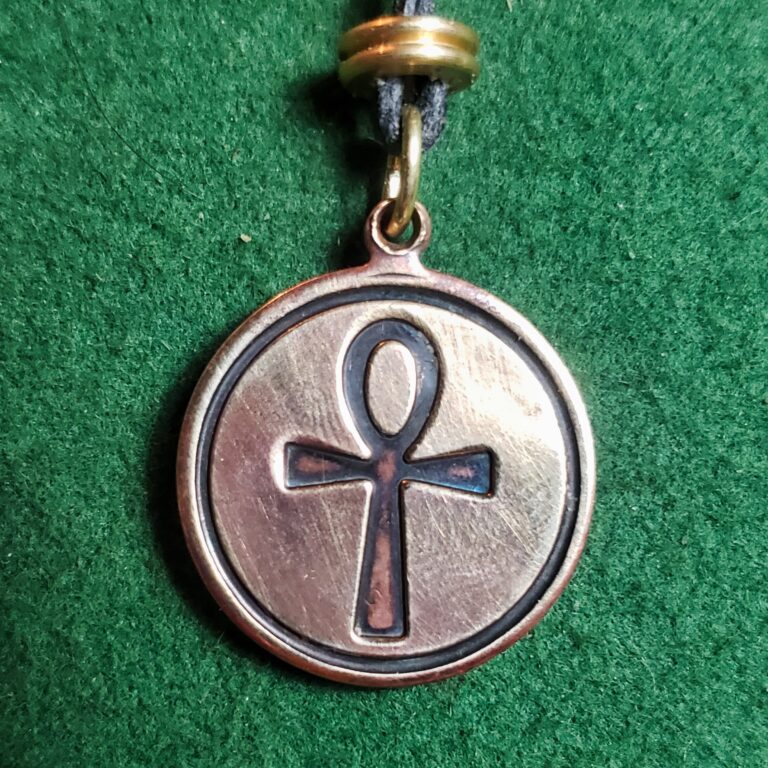
The ankh is one of the most iconic symbols of ancient Egypt, renowned for its historic and cultural significance. Often depicted as a cross with a loop at the top, the ankh represented life, immortality, and the union of earthly and divine forces. Pharaohs, gods, and goddesses were frequently shown holding the ankh, emphasizing its association with eternal life and spiritual power. In funerary art, it symbolized the hope of life after death, reinforcing the Egyptian belief in the soul’s journey beyond the mortal realm.
Historically, the ankh was more than a religious emblem; it also reflected societal values and cosmology. It appeared in temples, tombs, amulets, and everyday objects, serving as a protective symbol and a marker of divine favor. Its widespread use demonstrates the centrality of life and regeneration in Egyptian culture, where maintaining cosmic balance—ma’at—was a guiding principle.
Culturally, the ankh has endured beyond ancient Egypt, influencing art, jewelry, and modern spiritual practices. It is often embraced as a symbol of vitality, protection, and continuity. The ankh’s enduring appeal lies in its simplicity and profound meaning, representing humanity’s timeless fascination with life, death, and the divine connection that transcends both.