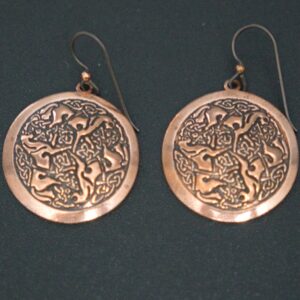
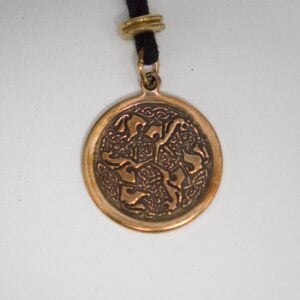
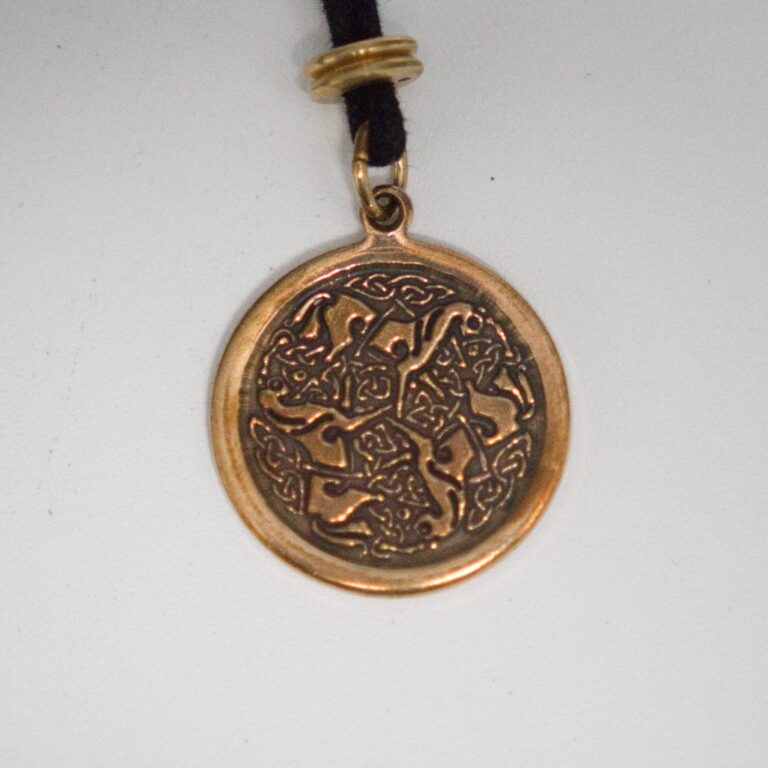
In Celtic culture, the horse was a highly revered animal, symbolizing power, freedom, and nobility. Its strength, speed, and endurance made it a central figure in daily life, warfare, and mythology, often associated with warriors, chieftains, and deities. Horses represented not only physical vitality but also spiritual energy, serving as bridges between the human and supernatural realms. Their ability to traverse great distances connected them symbolically to journeys, transformation, and the passage between worlds.
The Celts also linked horses to fertility, prosperity, and abundance. As vital animals in agriculture and transportation; they embodied life-giving energy and the sustenance of communities. White horses, in particular, were often seen as sacred, representing purity, protection, and divine favor. Deities such as Epona, the Celtic goddess of horses, further highlight the spiritual significance of the horse, symbolizing guardianship, guidance, and the nurturing of both people and land.
Spiritually, horses encouraged freedom, courage, and self-expression. They embody the pursuit of personal power while maintaining a connection to the natural world. In rituals, myths, and art, the horse serves as a symbol of vitality, endurance, and transcendence. Ultimately, the horse represents strength, freedom, and the harmonious interplay between physical prowess and spiritual guidance, making it a timeless emblem of vitality and sacred connection.