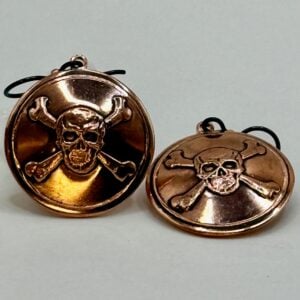
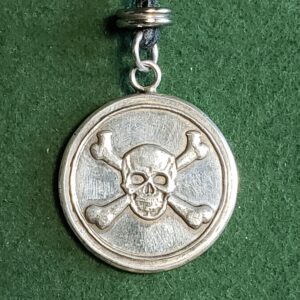
The Jolly Roger, featuring its iconic skull and crossbones, has gone beyond its pirate roots to become a symbol of defiance and the certainty of death. Its name might originate from the French phrase joli rouge, meaning “pretty red,” which referred to the blood-red flags flown by early privateers. Before pirates used this symbol, similar designs appeared on the tombs of the Knights Templar and in medieval artwork, serving as powerful reminders of the fleeting nature of life. When flown on the open sea, the black flag represented rebellion against oppression and a bold acceptance of risk. Today, the Jolly Roger remains a symbol of independence and the courage to live unconventionally. It reminds us that facing mortality can deepen our appreciation for life and that true freedom, like the vast ocean, belongs to those who dare to seize it.